
EAST AI Hydraulic Manufacturer
Since 2006
Views: 0 Author: ALEX Publish Time: 2026-06-08 Origin: Site
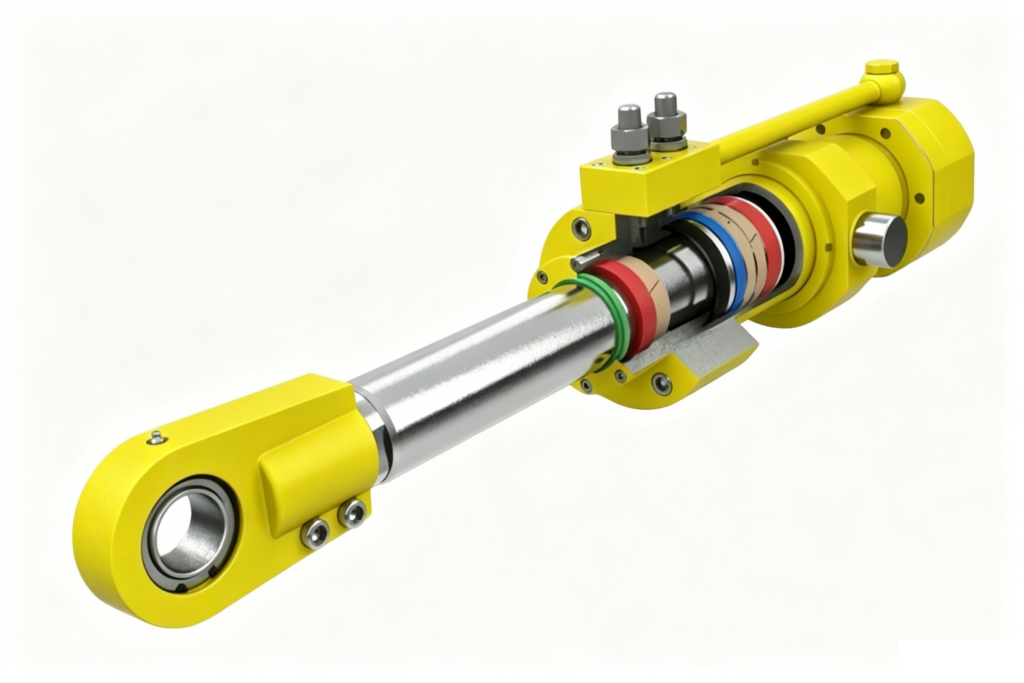
Hydraulic cylinders are critical components in industrial machinery systems. Once a failure occurs, it may lead to system downtime, production interruption, and increased maintenance cost.In most engineering cases, hydraulic cylinder failures are not caused by a single issue, but are closely related to material inconsistency, tolerance deviation, and surface quality variation during manufacturing.
This article explains the engineering reasons behind hydraulic cylinder failures based on real manufacturing experience in hydraulic component production.
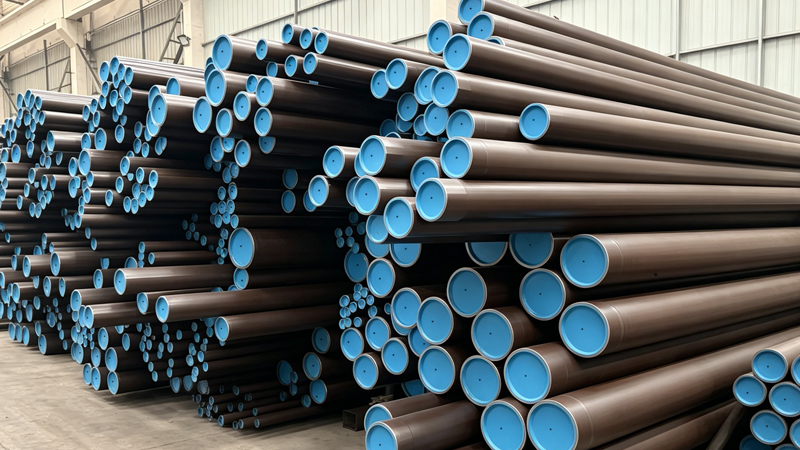
In hydraulic cylinder manufacturing, steel material consistency is the foundation of performance.Even small variations in material composition or mechanical properties can significantly affect final reliability.
Uneven hardness distribution in steel bars or tubes
Variation in carbon content affecting strength
Instability in raw material sourcing between batches
These variations may lead to:
Reduced fatigue resistance
Premature wear under high pressure
Dimensional instability after machining or heat treatment
hydraulic cylinder tube material selection
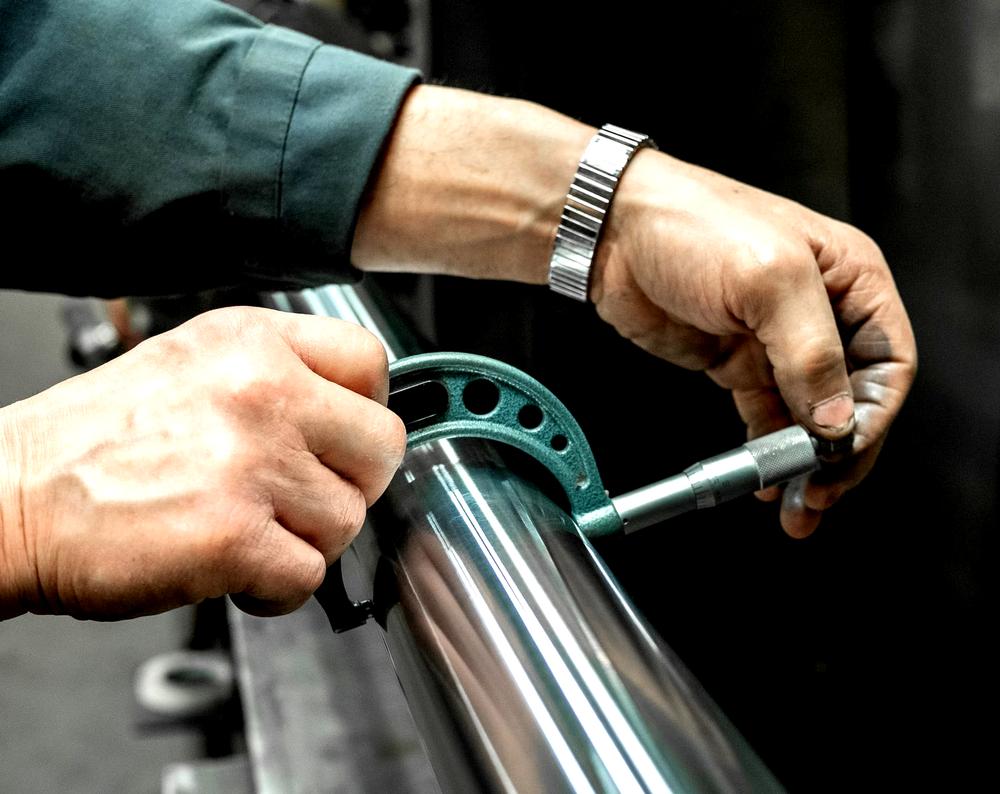
Tolerance control is one of the most critical factors in hydraulic cylinder reliability.Hydraulic systems depend on precise fitting between:
Cylinder tube inner diameter
Piston rod outer diameter
Sealing interfaces
Even minor deviations may cause:
Internal leakage
Reduced sealing efficiency
Pressure loss under load
Accelerated seal wear
hydraulic cylinder manufacturing process control
H8 vs H9 tolerance comparison diagram
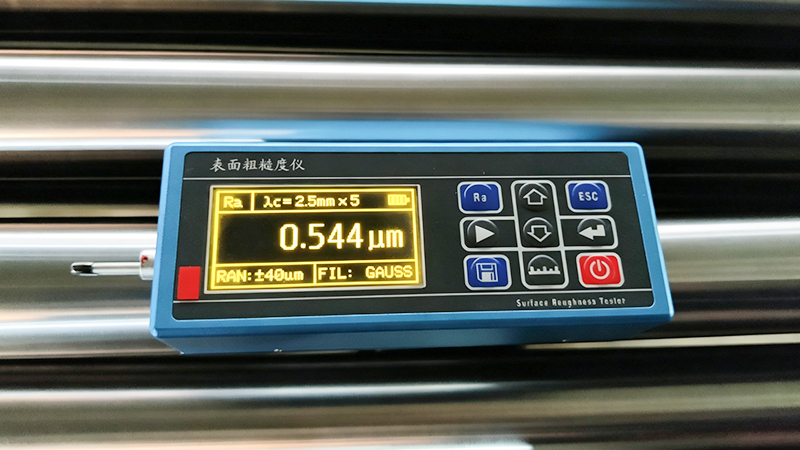
Surface condition is critical for hydraulic performance, especially for chrome plated rods and honed tubes.
Surface roughness (Ra value)
Chrome layer thickness consistency
Surface hardness after treatment
If not controlled properly:
Seal damage due to uneven friction
Corrosion or pitting
Reduced wear resistance
chrome plated rod specifications
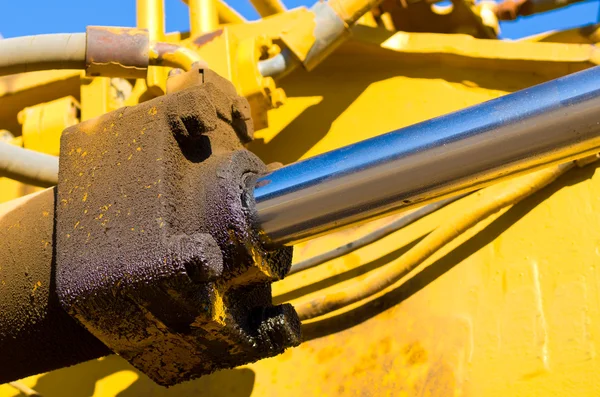
In one hydraulic cylinder application, a customer reported minor internal leakage and faster-than-expected seal wear after a period of operation.After inspection, the main issues were found in:
Slight variation in cylinder bore diameter between batches
Inconsistent surface roughness on the piston rod
These small deviations did not cause immediate failure, but gradually affected sealing performance under continuous load.The root cause was linked to batch-level inconsistency in machining and surface treatment control.To address this type of issue, key improvements usually focus on:
More stable raw material sourcing
Tighter control of machining tolerances
Consistent surface finishing process
Full inspection before shipment
In hydraulic systems, long-term stability depends more on batch consistency than on single-piece specifications.
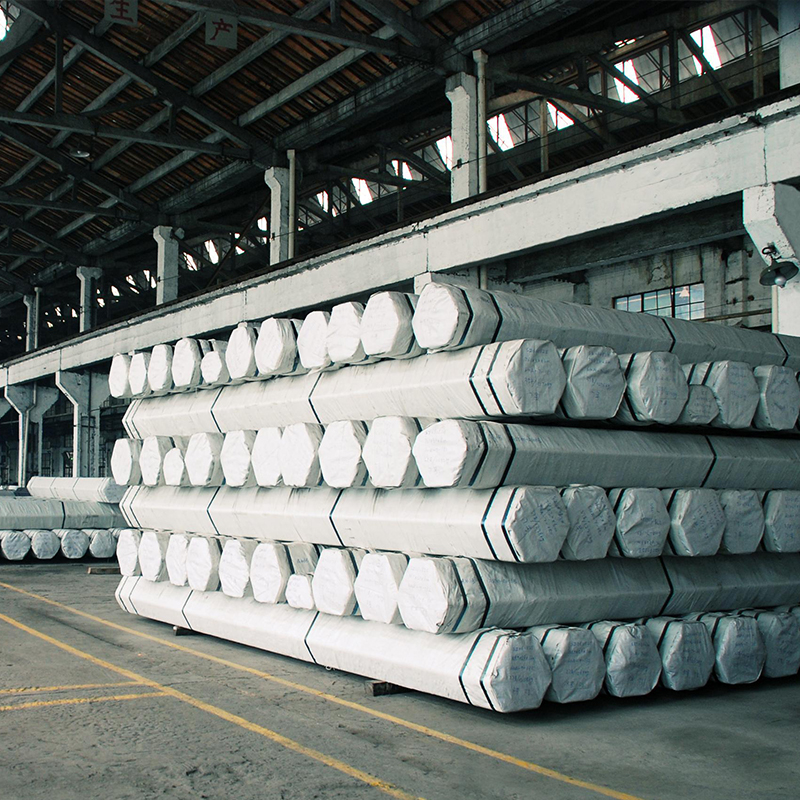
In hydraulic component manufacturing, consistency must be controlled across all stages:
Raw material selection from stable steel mills
Process control during machining and heat treatment
Surface treatment monitoring
100% final inspection before shipment
At EAST AI, manufacturing is built around one principle:
Batch consistency and part-to-part reliability (“Batch by batch consistency, every piece the same standard”)
This ensures stable performance across different production batches.
custom hydraulic cylinder manufacturer
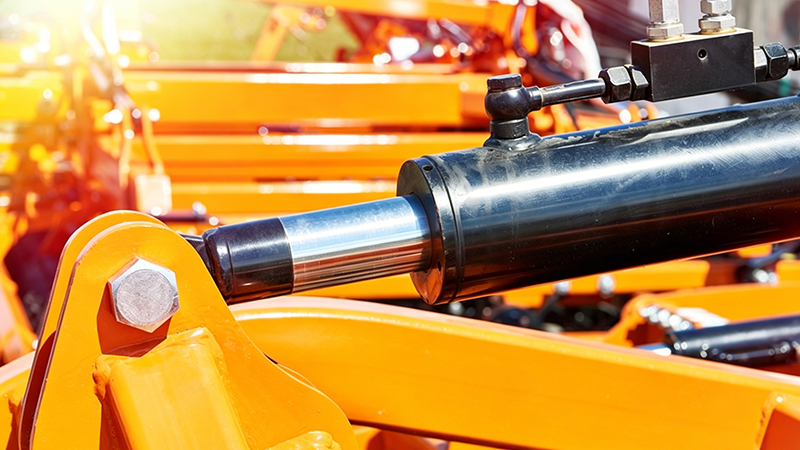
Hydraulic cylinder performance directly affects:
Excavation machinery
Industrial press systems
Agricultural machinery
Heavy-duty hydraulic equipment
Consistency issues at component level may lead to long-term system instability.
hydraulic system components supplier
Hydraulic cylinder failures are often caused by small variations in material quality, tolerance control, and surface processing rather than a single defect.From an engineering standpoint, improving consistency across all manufacturing stages is the key to improving system reliability.For OEM manufacturers and industrial equipment suppliers, manufacturing consistency is as important as design itself.
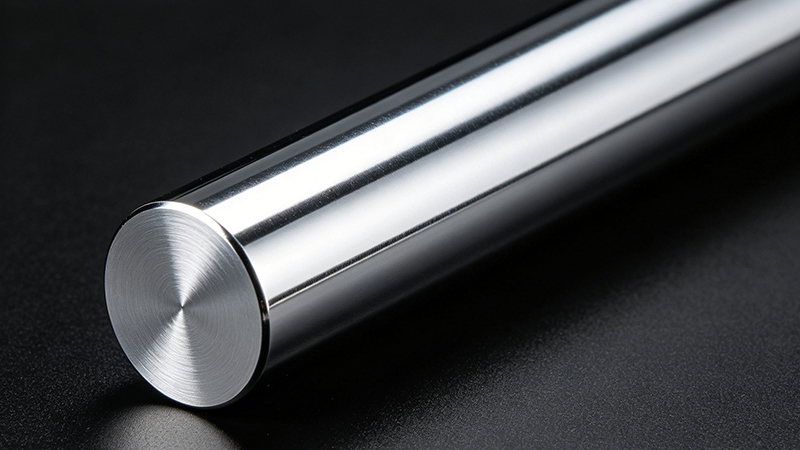
If similar issues are occurring in your hydraulic system, the root cause is often related to material consistency, machining tolerance, or surface treatment stability.We can support component supply based on drawings and application requirements, including hydraulic cylinder tubes, chrome plated rods, and related hydraulic components.For technical inquiries or project evaluation, please contact us.


