
EAST AI Hydraulic Manufacturer
Since 2006
Views: 0 Author: ALEX Publish Time: 2026-07-07 Origin: Site
Two suppliers delivered Honed Tubes manufactured to the same engineering drawing.Both shipments included material certificates.Both met the specified bore tolerance.Both passed incoming dimensional inspection.
On paper, there was almost nothing separating one supplier from the other.Three months later, however, the production department reached a very different conclusion.One supplier’s material entered production with minimal adjustment.The other required additional setup, generated more operator feedback, and produced inconsistent machining behaviour between batches.
Neither shipment violated the specification.Yet one clearly supported more stable manufacturing.Experienced buyers understand that compliance is only the starting point. Consistency is what creates long-term value.
Most purchasing decisions begin with specifications.Material grade.Tolerance.Dimensions.Surface roughness.These requirements are essential because they define the minimum technical standard.What they cannot fully describe is how consistently those standards are maintained from one production batch to the next.
That is why experienced buyers often pay attention to details that are not always highlighted on a quotation.These observations help identify suppliers who consistently support stable production rather than simply meeting basic requirements.Reliable manufacturing is built on repeatable details, not occasional excellence.
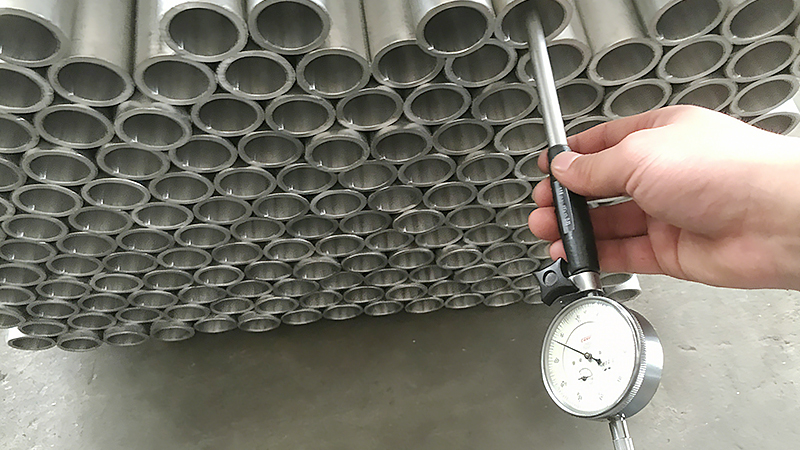
Measuring one tube provides useful information.Measuring several tubes from different positions within the same shipment provides much greater confidence.Consistent bore dimensions across multiple samples usually indicate stable production rather than isolated quality.
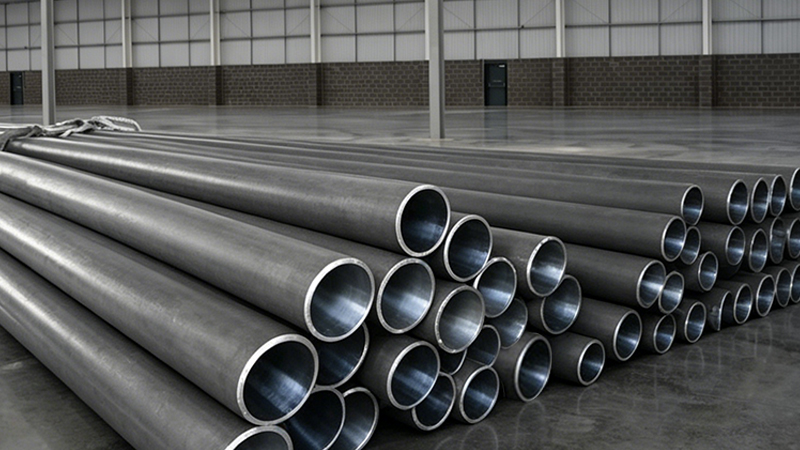
The quality of a Honed Tube can deteriorate if the internal surface is exposed to moisture, dust, or impact during transportation.Protective end caps, suitable packaging, and proper handling reduce the likelihood of contamination before machining begins.Good manufacturing should be matched by good protection.
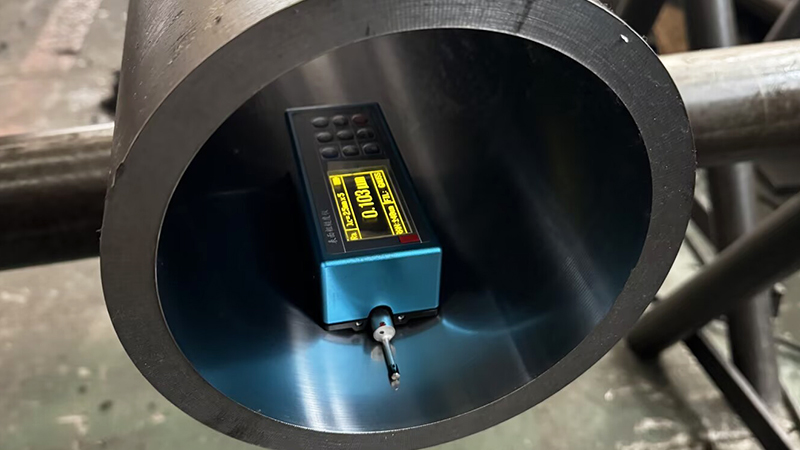
Even when dimensions meet specification, debris remaining inside the tube may increase cleaning time before production.A clean bore reflects attention to finishing and final inspection.It also helps reduce the risk of introducing contaminants into hydraulic systems.
Reliable suppliers make it easy to identify when and how a tube was manufactured.Batch numbers and traceability records support quality investigations if questions arise later.More importantly, they demonstrate confidence in manufacturing control rather than simply satisfying documentation requirements.
One of the most overlooked indicators of supplier quality is communication.Can technical questions be answered clearly?Are inspection reports easy to understand?Does the supplier explain manufacturing capabilities honestly instead of promising everything?Transparent communication often reflects disciplined manufacturing.
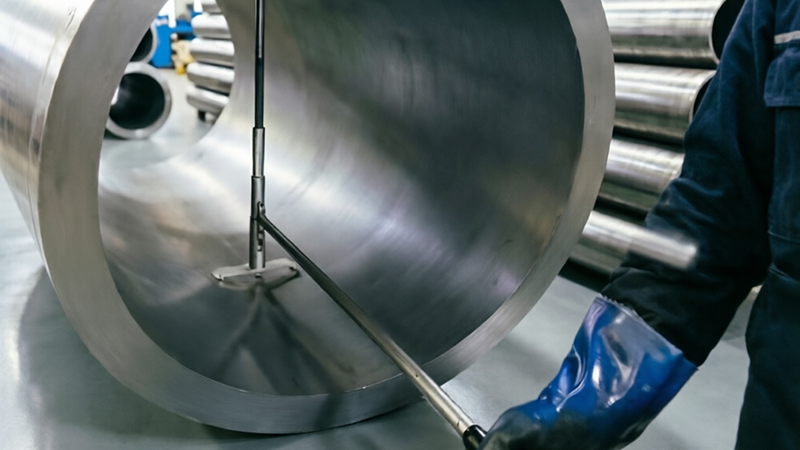
A bright surface does not always indicate stable manufacturing.A clean-looking shipment does not automatically guarantee consistent machining performance.Visual inspection remains valuable, but it should always be combined with technical evaluation and production feedback.
Experienced buyers rarely approve a supplier based on appearance alone.They evaluate how the material performs throughout the entire manufacturing process.The most important quality characteristics are often demonstrated during production rather than during unpacking.
Engineering drawings define the minimum technical requirements.Experienced purchasing teams often evaluate suppliers using a much broader perspective.Instead of asking only, “Does this shipment meet specification?”, they ask additional questions.Can this supplier maintain the same quality six months from now?Will future batches machine as consistently as this one?How quickly are technical questions answered?Can production issues be investigated through complete traceability?These questions help distinguish suppliers capable of supporting long-term manufacturing from those focused only on passing inspection.Supplier evaluation should reduce future production risk—not simply approve today’s shipment.
Evaluation Item | Why It Matters |
|---|---|
Dimensional consistency across multiple samples | Confirms stable manufacturing rather than isolated quality. |
Internal bore cleanliness | Reduces preparation time before machining. |
Protective packaging and end caps | Helps prevent transportation damage and contamination. |
Batch traceability | Supports quality investigations and process control. |
Technical communication | Reflects engineering capability and responsiveness. |
Delivery consistency | Supports reliable production planning. |
No single item determines supplier quality.Together, they provide a far more complete picture than dimensions alone.
Selecting a supplier based only on the lowest unit price.
Approving material after measuring only one sample.
Ignoring packaging quality because the material “looks fine.”
Treating traceability documents as paperwork rather than quality evidence.
Separating purchasing decisions from production feedback.
Most of these mistakes do not cause immediate problems.Instead, they gradually reduce production efficiency over multiple deliveries.The strongest supplier relationships are built on consistent performance, not isolated successful shipments.
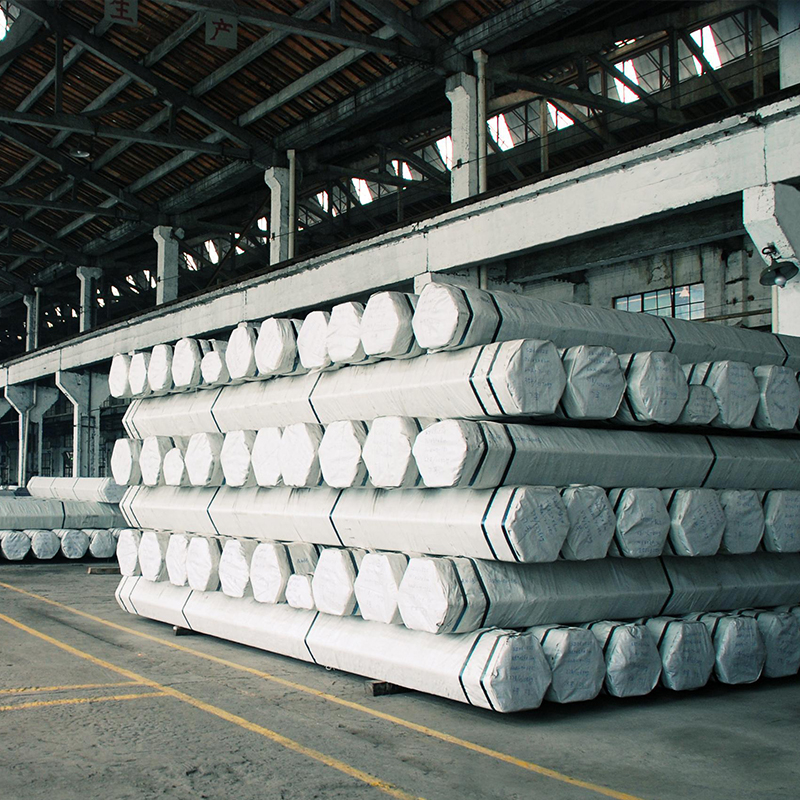
Reliable Honed Tubes are not defined by one outstanding shipment.They are defined by the ability to deliver the same machining experience, dimensional consistency, and production stability repeatedly.That repeatability depends on controlled manufacturing processes, disciplined inspection, proper handling, and transparent technical communication.For hydraulic cylinder manufacturers, these characteristics often influence production efficiency far more than small differences in purchase price.
Continue exploring practical purchasing and manufacturing knowledge:
Honed Tubes (Internal Link → Product Page)
Chrome Plated Rods (Internal Link → Product Page)
Choosing the Right Honed Tube Length: A Small Decision That Can Reduce Manufacturing Costs (Internal Link → Related Blog)
Before Requesting a Quote: Five Technical Details That Save Weeks of Production Time (Internal Link → Related Blog)
The First Sign Your Honed Tube Supplier Is Losing Process Control (Internal Link → Related Blog)
There is no universal number suitable for every situation. Sampling methods should follow your company’s quality procedures, product requirements, and applicable inspection standards. Evaluating more than one location or sample generally provides a better understanding of manufacturing consistency than measuring a single tube.
A clean bore helps reduce preparation time before machining and lowers the risk of introducing contaminants into hydraulic cylinder components during assembly.
Yes. Proper end protection and suitable packaging help reduce the risk of scratches, moisture exposure, and contamination during storage and transportation.
Traceability allows manufacturers to identify production batches, investigate quality questions efficiently, and support continuous process improvement if issues arise.
In many manufacturing environments, involving production, quality, and purchasing teams together provides a more comprehensive evaluation because each department observes different aspects of supplier performance.
Yes. Meeting the drawing confirms compliance. Differences in manufacturing consistency, process control, packaging, and batch repeatability may still influence machining performance and production efficiency.
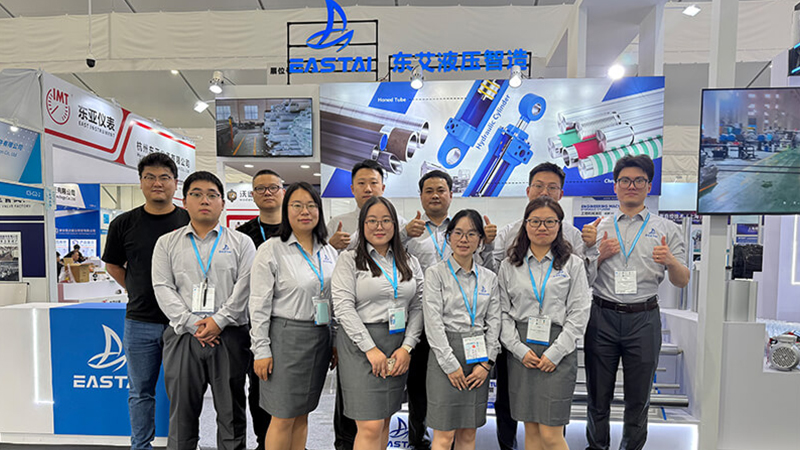
Approving a Honed Tube supplier involves much more than checking dimensions on an inspection report. Long-term manufacturing success depends on consistent production, effective process control, reliable traceability, and clear technical communication.
At EAST AI, we manufacture Honed Tubes and Chrome Plated Rods with an emphasis on repeatable production, documented quality control, and batch-to-batch consistency. Whether you’re qualifying a new supplier, reviewing incoming material, or building a more reliable hydraulic cylinder supply chain, our engineering team is ready to discuss practical solutions based on real manufacturing experience—not just product specifications.


