
EAST AI Hydraulic Manufacturer
Since 2006
Views: 0 Author: ALEX Publish Time: 2026-07-03 Origin: Site
The production manager wasn’t concerned when the first complaint arrived.It wasn’t a rejected shipment or a major quality issue. One machining operator simply mentioned that the latest batch of Honed Tubes felt “different” on the machine.No measurements were outside specification.The material certificates matched previous deliveries.
Incoming inspection approved the shipment without hesitation.From every documented quality record, nothing appeared unusual.Production continued.A week later, machine operators began adjusting cutting parameters more frequently.Tool wear became less predictable.Cycle times varied slightly between batches.Nothing had failed.Yet something had changed.
The earliest warning of declining process control rarely appears on an inspection report. It appears in the rhythm of production.
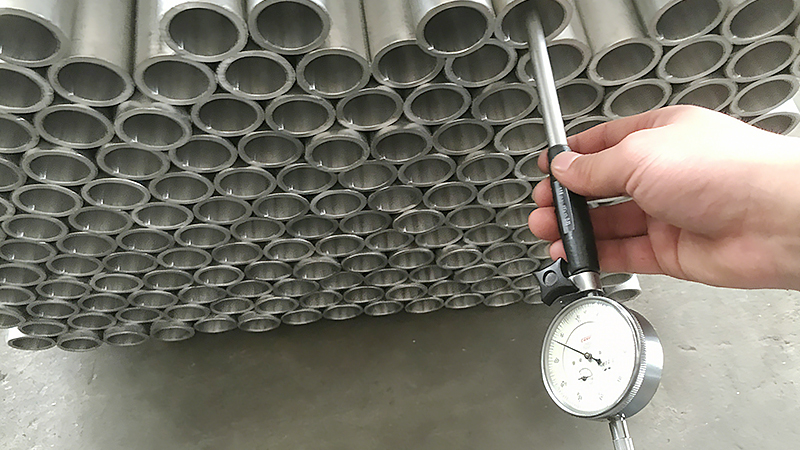
Most factories are prepared to react when parts fall outside tolerance.Those situations are relatively easy to identify.Dimensions fail inspection.Surface finish exceeds specification.A shipment is rejected.The real challenge begins much earlier.Process control often weakens gradually, long before products become technically non-conforming.
Operators start making small machine adjustments.Inspection takes a little longer.Different production batches no longer behave exactly the same.Individually, these changes seem insignificant.Together, they indicate that manufacturing stability may be changing.Quality problems usually arrive quietly before they become measurable.
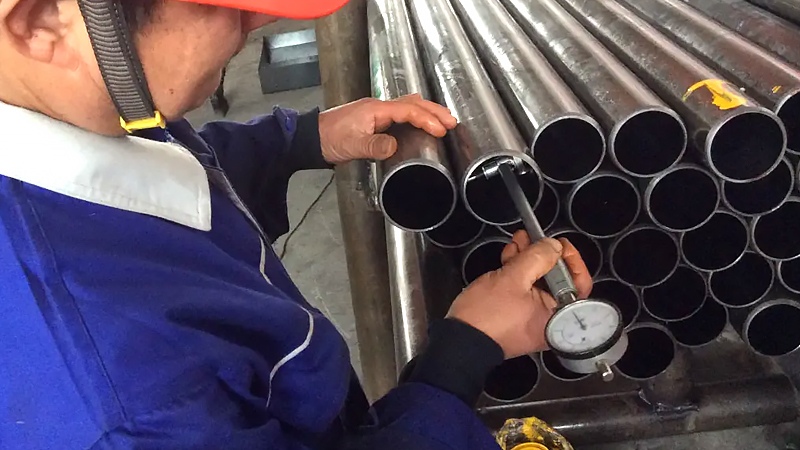
Several weeks after the first observations, the production team reviewed machining data from previous deliveries.Every shipment still complied with the engineering drawing.However, production records revealed something inspection reports never showed.Some batches required additional tool compensation.Others produced slightly different chip formation.Machining speeds that worked perfectly one month earlier now required adjustment.
Assembly remained successful.Finished cylinders still passed pressure testing.But production efficiency had begun to decline.No single batch justified a supplier complaint.Collectively, the pattern was becoming difficult to ignore.Stable production rarely disappears overnight. It fades one small variation at a time.
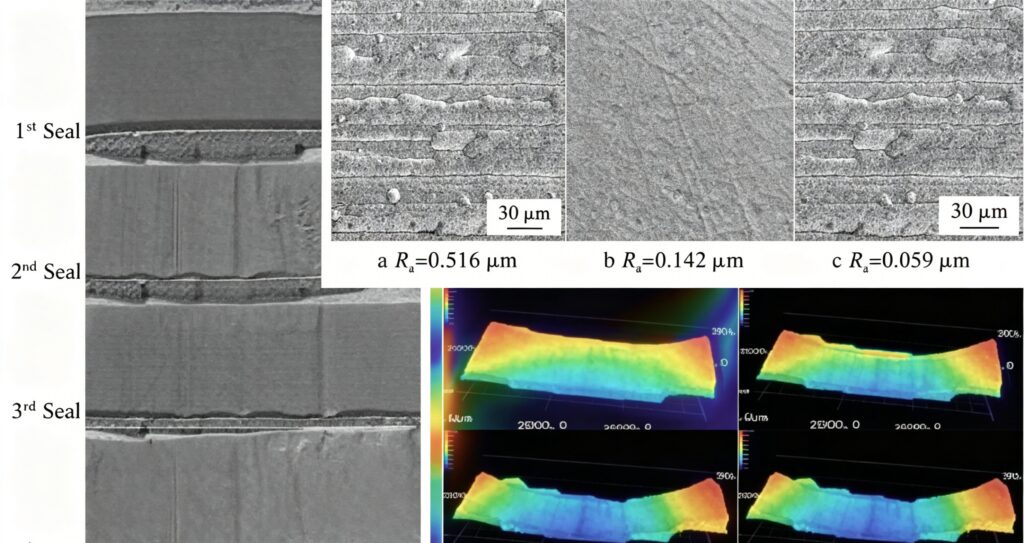
Experienced purchasing teams rarely wait for rejected products before asking questions.Instead, they pay attention to changes that occur before measurable quality problems appear.
Observation | What It May Indicate |
|---|---|
Operators adjust machining parameters more frequently | Reduced batch consistency |
Tool life becomes less predictable | Material variation between production lots |
Delivery dates begin to fluctuate | Production planning instability |
Surface appearance varies slightly between batches | Manufacturing process changes |
Technical questions take longer to answer | Internal process pressure at the supplier |
None of these observations automatically mean a supplier has a quality problem.However, when several begin appearing together, they deserve attention.Production consistency should never be evaluated by dimensions alone.
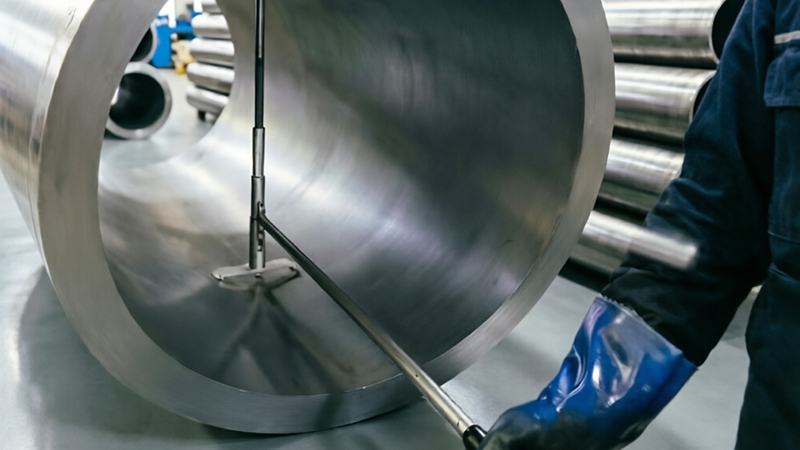
Inspection reports are designed to confirm compliance.They answer an important question:
“Does this shipment meet today’s specification?”They do not answer another equally important question.“Is this supplier becoming more or less consistent over time?”That question can only be answered by reviewing production performance across multiple deliveries.
Machine operators often notice changes first.Quality engineers identify patterns second.Purchasing teams usually see the commercial impact last.Companies that connect these three perspectives respond much earlier than companies relying only on inspection documents.
Inspection measures today’s quality. Process control determines tomorrow’s quality.
Most supplier evaluations focus on a single shipment.The dimensions are checked.The material certificate is reviewed.A few random samples are measured before the order moves into production.That approach confirms whether the shipment is acceptable. It does not reveal whether the manufacturing process behind it is becoming more or less stable.
Process control is measured over time, not by a single delivery.Experienced manufacturers track supplier performance across months rather than individual purchase orders. Instead of asking, “Was this shipment good?”, they ask a more valuable question.“Has anything changed compared with the last ten shipments?”That shift in thinking often allows problems to be identified long before they become customer complaints.
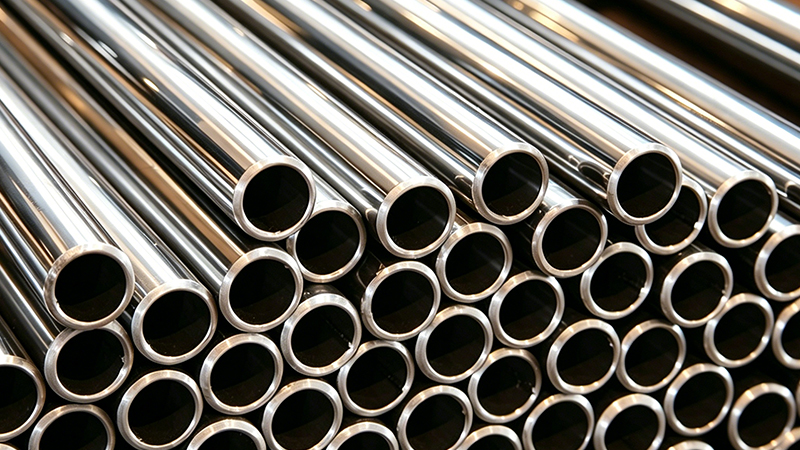
Dimensions tell only part of the story.The production floor often reveals changes much earlier than inspection equipment.Machine operators may notice that cutting feels different.Quality engineers may find inspection taking slightly longer than usual.
Production planners may discover that one batch requires additional scheduling adjustments.None of these observations automatically indicate poor quality.Together, however, they form a pattern.
Manufacturing variation rarely announces itself with one major defect. It usually whispers through dozens of small changes.This is why experienced engineering teams encourage communication between purchasing, production, and quality departments rather than allowing each team to evaluate suppliers independently.
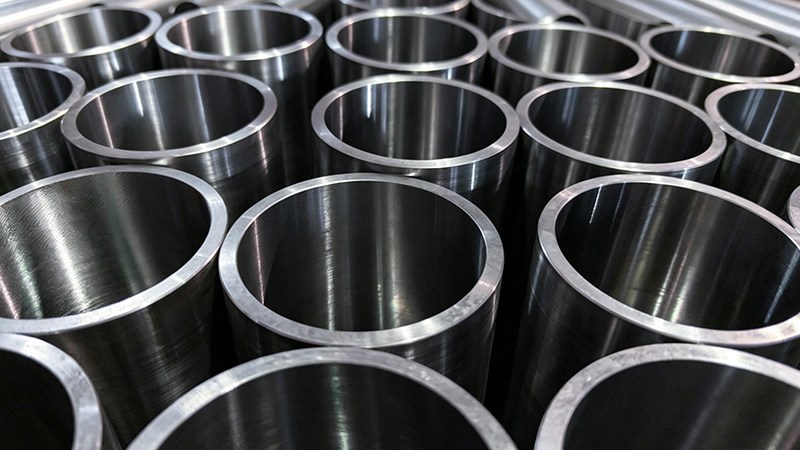
When process stability begins to change, requesting another inspection report rarely provides the full picture.A more productive conversation often starts with practical manufacturing questions.
Question | Why It Matters |
|---|---|
Has any production equipment been replaced or upgraded recently? | Equipment changes may influence machining consistency during transition. |
Have raw material sources changed? | Different steel sources may introduce variations in machining behavior. |
Have inspection methods been updated? | Changes in inspection procedures can influence consistency between batches. |
Has production capacity increased significantly? | Rapid expansion sometimes introduces temporary process instability. |
Are the same production processes being maintained across every batch? | Consistency is often more valuable than occasional exceptional quality. |
These discussions are not intended to challenge the supplier.They help both parties understand whether any manufacturing variables have changed before those changes begin affecting production.Strong supplier relationships are built through technical conversations, not only commercial negotiations.
Price is easy to compare.Process control is not.A supplier offering the lowest quotation may still increase manufacturing costs if production becomes less predictable over time.Additional machine adjustments.Unexpected tool wear.Longer setup times.
Extra inspections.Small interruptions like these rarely appear on an invoice, yet they gradually increase the true cost of manufacturing.Experienced purchasing teams increasingly evaluate suppliers using Total Manufacturing Cost rather than unit price alone.The cheapest component is not always the least expensive component to manufacture with.
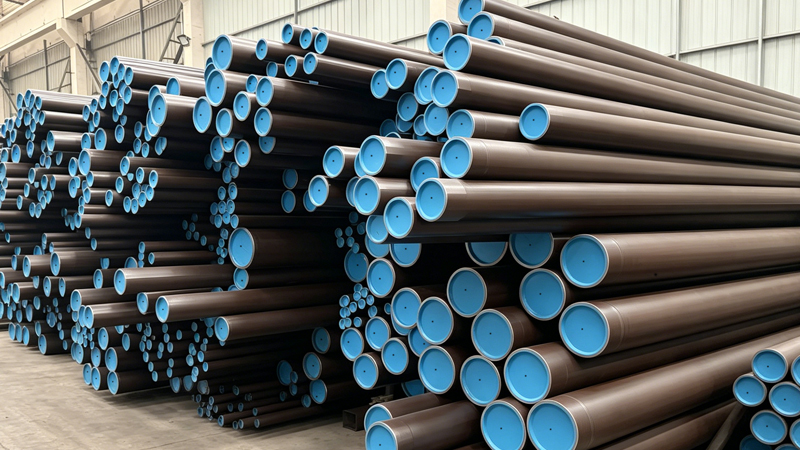
Successful hydraulic cylinder production depends on repeatability.Repeatable machining.Repeatable inspection.Repeatable assembly.
None of these can be achieved consistently unless incoming Honed Tubes are manufactured under stable, well-controlled production processes.Evaluating suppliers only when problems occur is often too late.The best manufacturers monitor production trends continuously and treat small variations as opportunities to improve—not simply as isolated incidents.
The first defective part is rarely the first warning. The first warning is usually a production process that no longer behaves the way it used to.Factories that recognise this difference solve problems earlier, reduce production interruptions, and build stronger long-term supplier partnerships.
Continue exploring topics related to manufacturing consistency:
Honed Tubes (Internal Link → Product Page)
Chrome Plated Rods (Internal Link → Product Page)
How to Evaluate a Honed Tube Supplier (Internal Link → Related Blog)
Before Requesting a Quote: Five Technical Details That Save Weeks of Production Time (Internal Link → Related Blog)
Material Traceability in Hydraulic Manufacturing (Internal Link → Related Blog)
Early warning signs often include inconsistent machining behavior, increased machine adjustments, fluctuating delivery performance, changing surface appearance, or reduced batch-to-batch consistency—even when inspection reports still meet specification.
Not completely. Inspection reports confirm compliance for a specific shipment. Long-term process stability can only be evaluated by comparing production performance across multiple deliveries.
Operators interact with the material throughout machining and quickly notice changes in cutting behavior, tool life, and machine settings that dimensional inspections may not immediately reveal.
Yes. Open technical communication helps identify equipment upgrades, raw material changes, capacity expansion, or process adjustments before they begin affecting production consistency.
Absolutely. Stable manufacturing processes help ensure predictable machining, consistent sealing performance, reliable assembly, and repeatable hydraulic cylinder performance.
Not necessarily. Long-term manufacturing consistency often has a greater impact on total production cost than the initial purchase price.
Choosing a supplier means evaluating far more than dimensions and certificates. Long-term manufacturing performance depends on consistent processes, transparent communication, and reliable production management.
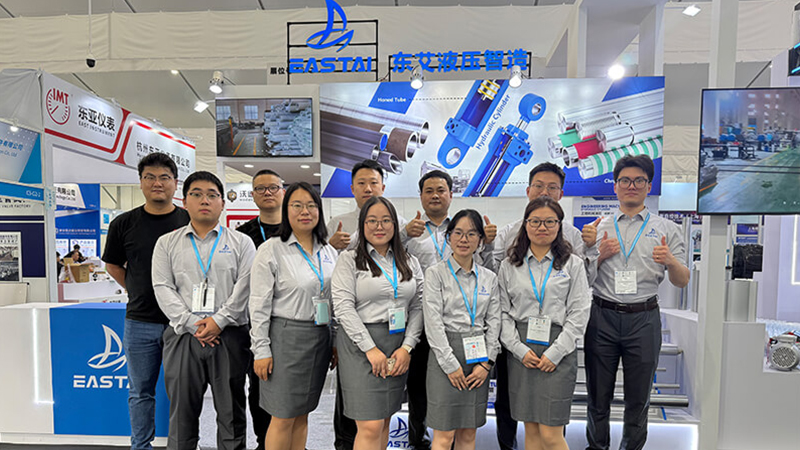
At EAST AI, we manufacture Honed Tubes and Chrome Plated Rods with an emphasis on repeatable production, batch-to-batch consistency, and process control designed for hydraulic cylinder manufacturers worldwide. If your engineering or purchasing team is comparing suppliers, reviewing recurring production variation, or looking to improve manufacturing stability, we’re happy to share practical experience and discuss solutions based on real production environments.


