
EAST AI Hydraulic Manufacturer
Since 2006
Views: 0 Author: ALEX Publish Time: 2026-07-13 Origin: Site
At first glance, the two rods looked almost identical.Both had bright, polished surfaces.Both matched the required dimensions.Both were described as suitable for hydraulic cylinders.The purchasing team naturally focused on price.One quotation was noticeably lower than the other.The assumption was simple: if the rods looked the same, they should perform the same.Several months after the cylinders entered service, however, the difference became clear.One group of cylinders continued operating under demanding conditions with minimal wear.
The other began showing signs of premature surface damage in applications involving heavy loads and frequent movement.Neither rod had been manufactured incorrectly.They had simply been selected for different engineering purposes.The right rod is determined by the application—not by appearance.
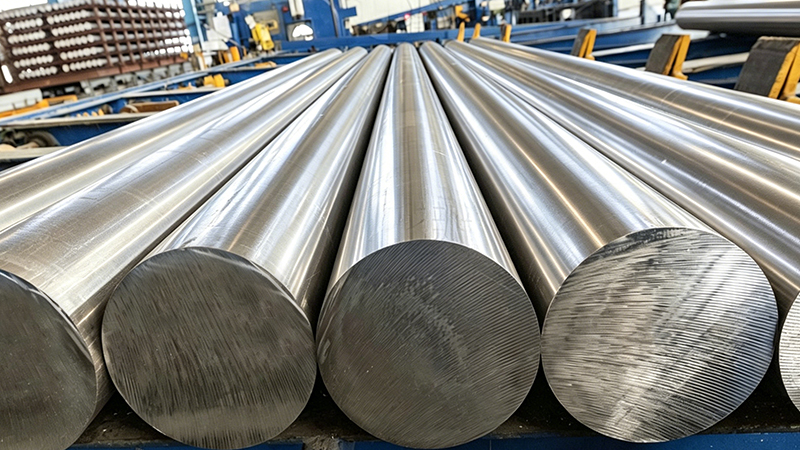
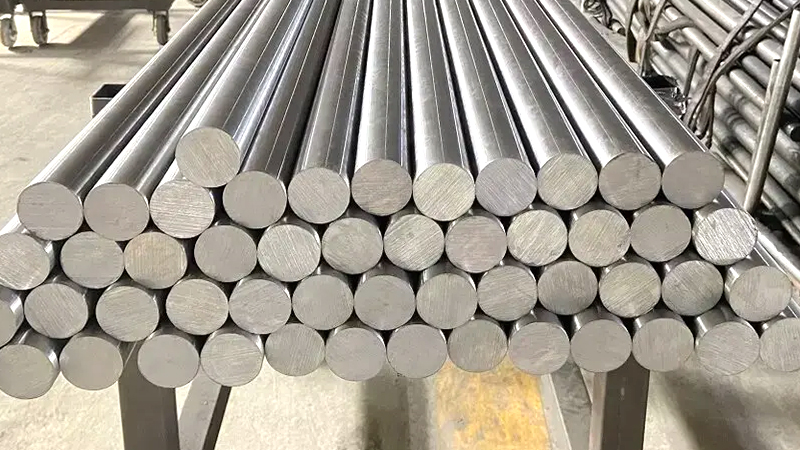
A Chrome Plated Rod is manufactured by applying a layer of hard chromium to a precision steel bar.The chrome layer improves surface hardness, corrosion resistance, and wear performance while providing a smooth surface suitable for hydraulic sealing systems.Because of these characteristics, chrome plated rods are widely used in hydraulic cylinders, pneumatic cylinders, agricultural equipment, construction machinery, and many industrial motion systems.
Their primary purpose is to provide a durable surface that resists corrosion and supports reliable seal performance throughout the cylinder’s service life.The chrome layer protects the rod surface, helping extend component life in demanding operating environments.
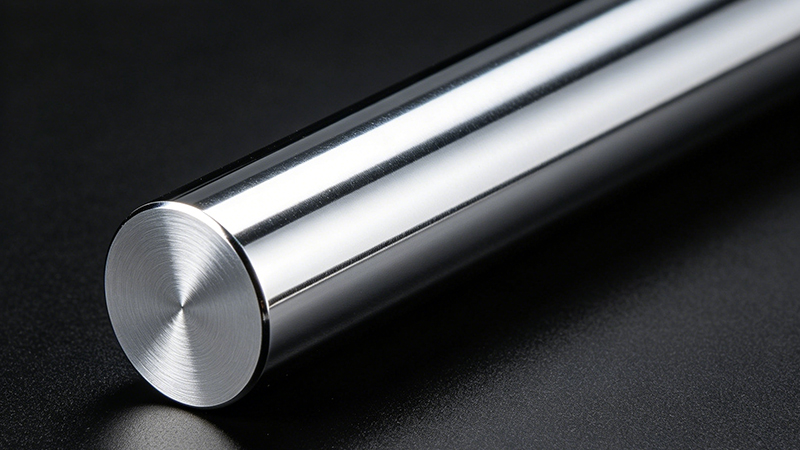
An Induction Hardened Rod undergoes a localized heat treatment process that rapidly heats and hardens the outer layer of the steel while maintaining a tougher core beneath the surface.The objective is different from chrome plating.
Instead of improving corrosion resistance, induction hardening primarily increases surface hardness and resistance to mechanical wear.Many induction hardened rods used in hydraulic applications are subsequently chrome plated.This combination provides both a hard wear-resistant surface and improved corrosion resistance.
Because the manufacturing process includes additional heat treatment, these rods are often selected for applications involving high loads, frequent cycling, or severe operating conditions.Induction hardening strengthens the steel beneath the surface. Chrome plating protects the surface itself.
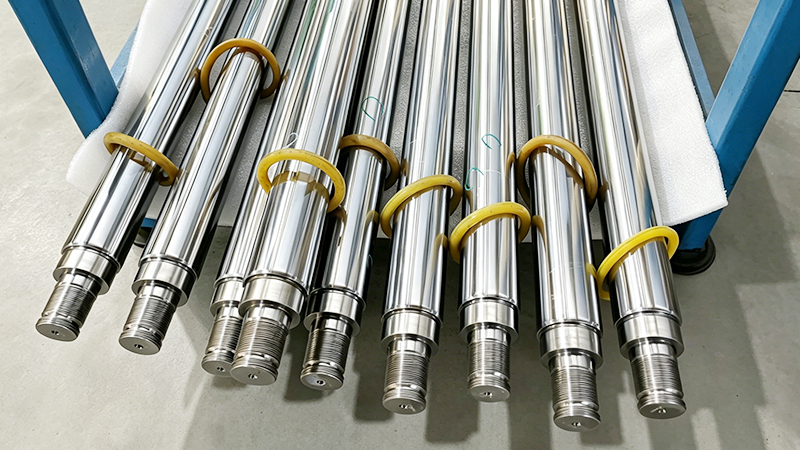
Although both products are widely used in hydraulic cylinders, they are designed to solve different engineering challenges.
Comparison | Chrome Plated Rod | Induction Hardened Rod |
|---|---|---|
Primary Purpose | Corrosion resistance and sealing surface | Increased surface hardness and wear resistance |
Manufacturing Process | Precision machining + chrome plating | Heat treatment, often followed by chrome plating |
Typical Applications | Standard hydraulic cylinders | Heavy-duty hydraulic cylinders and demanding environments |
Resistance to Mechanical Wear | Good | Higher under severe operating conditions |
Relative Manufacturing Complexity | Lower | Higher |
Neither product is universally better.The correct choice depends on operating conditions, expected service life, loading conditions, and engineering requirements.Understanding the function of each process helps avoid selecting a material based solely on price.
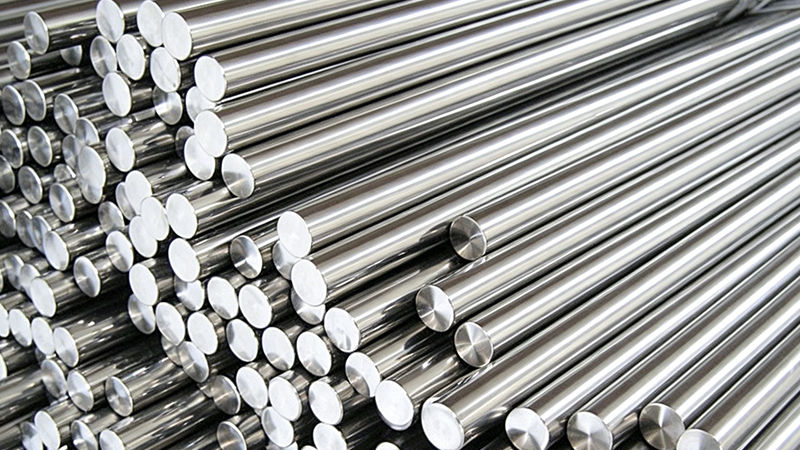
Comparing a Chrome Plated Rod with an Induction Hardened Rod is not about identifying which product is superior. It is about understanding which solution better matches the working conditions of the hydraulic cylinder.For many standard hydraulic applications, a high-quality Chrome Plated Rod provides an excellent balance of corrosion resistance, surface finish, manufacturing efficiency, and cost.
However, when cylinders operate under higher loads, continuous reciprocating motion, abrasive environments, or demanding duty cycles, engineers may specify an Induction Hardened Chrome Plated Rod to improve resistance to surface fatigue and mechanical wear.The selection should always begin with the application—not with the quotation.The operating environment determines the rod specification. The purchase price should never be the only deciding factor.
One misunderstanding appears frequently during supplier discussions.Some buyers believe they must choose either chrome plating or induction hardening.In reality, many heavy-duty hydraulic cylinder rods use both.
Induction hardening strengthens the surface layer of the steel, increasing its resistance to repeated mechanical loading.Hard chrome plating is then applied to improve corrosion resistance, reduce friction, and provide a smooth sealing surface.The two processes perform different engineering functions.They complement each other rather than replace one another.One process strengthens the substrate. The other protects the working surface.
This is why many hydraulic cylinders used in construction equipment, mining machinery, marine applications, and heavy industrial systems are manufactured using Induction Hardened Chrome Plated Rods.
The following comparison provides a practical starting point when selecting rod specifications.
Operating Requirement | Recommended Solution |
|---|---|
General industrial hydraulic cylinders | Chrome Plated Rod |
Outdoor equipment exposed to moisture | Chrome Plated Rod |
Heavy-duty construction machinery | Induction Hardened Chrome Plated Rod |
High-cycle hydraulic systems | Induction Hardened Chrome Plated Rod |
Abrasive operating environments | Induction Hardened Chrome Plated Rod |
Standard OEM production | Select according to engineering requirements |
This guide should be considered a general reference.Final material selection should always follow equipment design requirements, operating conditions, applicable standards, and engineering validation.There is no universal “best” rod. There is only the rod best suited to a particular application.
Continue learning about hydraulic cylinder materials and manufacturing:
Chrome Plated Rods (Internal Link → Product Page)
Honed Tubes (Internal Link → Product Page)
DOM Tube vs. Honed Tube: Which Is Better for Hydraulic Cylinders? (Internal Link → Related Blog)
No. A Chrome Plated Rod may or may not be induction hardened. These are two different manufacturing processes that serve different engineering purposes.
Not usually. Induction hardening improves surface hardness and wear resistance, while chrome plating provides corrosion resistance and a suitable sealing surface. In many hydraulic applications, both processes are used together.
Because they combine improved wear resistance with corrosion protection, making them suitable for demanding operating conditions involving high loads and frequent movement.
In general, the chrome-plated surface provides the primary corrosion protection. Actual performance also depends on plating quality, coating thickness, operating environment, and maintenance practices.
No. Many standard hydraulic cylinders operate effectively with high-quality chrome plated rods. The appropriate specification depends on the equipment’s design and service conditions.
No. Hardness is only one consideration. Engineers should also evaluate corrosion resistance, surface finish, manufacturing quality, application requirements, and the total cost of ownership.
This article is particularly useful for:
Hydraulic cylinder design engineers
Purchasing managers sourcing piston rods
OEM supplier qualification teams
Equipment manufacturers comparing rod specifications
Maintenance engineers reviewing component durability
Selecting the right Chrome Plated Rod involves more than comparing prices or hardness values. Factors such as operating conditions, wear requirements, corrosion exposure, and manufacturing processes all influence long-term hydraulic cylinder performance.
At EAST AI, we manufacture Chrome Plated Rods, Induction Hardened Chrome Plated Rods, and Honed Tubes for hydraulic cylinder applications. Our engineering team works closely with customers to recommend material specifications based on actual operating requirements, helping manufacturers balance performance, durability, and production efficiency through informed engineering decisions.


